Meetings That Leave a Trail: A Decision-Log Approach to Dissertation Supervision
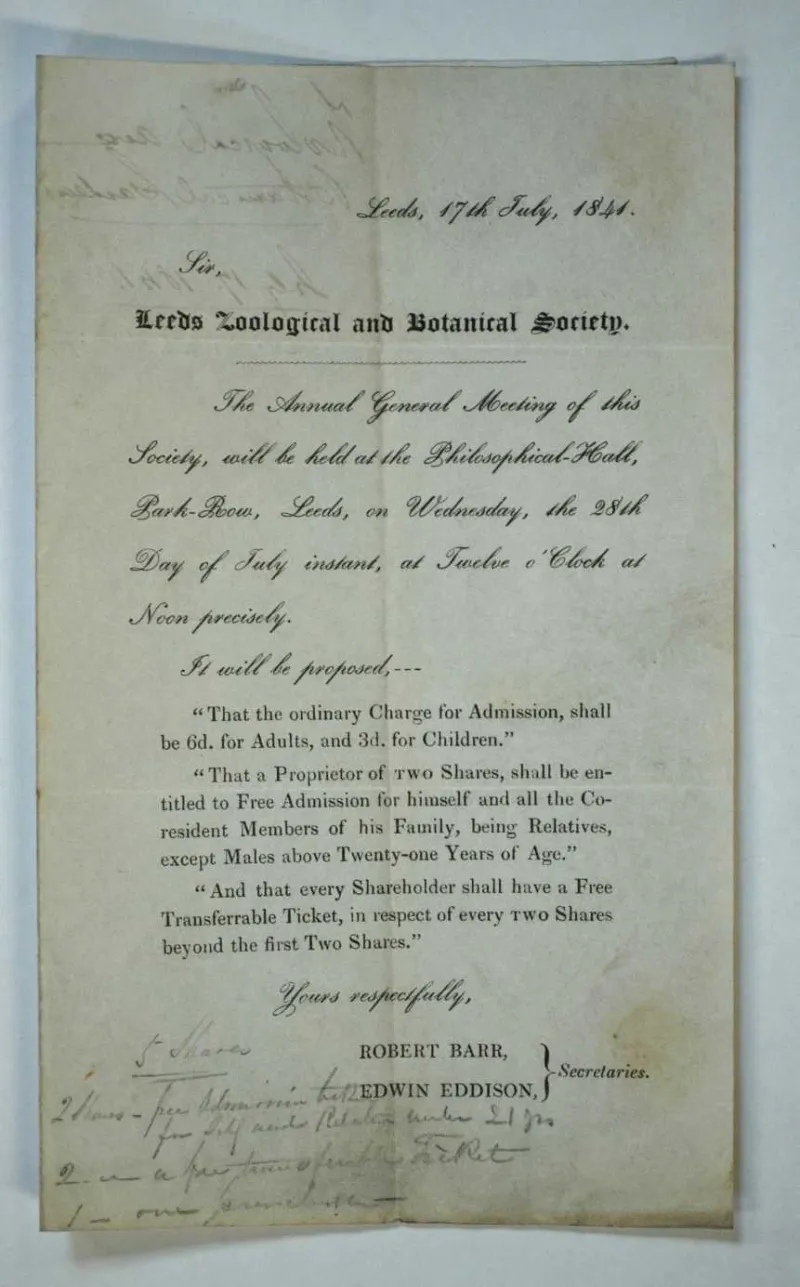
Photo: Leeds Zoological and Botanical Gardens company, Public domain, via Wikimedia Commons
Supervision meetings are one of the most valuable forms of support available to a UK dissertation student. They offer expert scrutiny, direction and the chance to test an argument before it hardens into a chapter. Yet the value of a tutorial can fade quickly if the conversation is remembered only in outline. A short agenda and a simple decision log are practical study-skills habits that help students and supervisors work from the same record. They do not replace discussion; they give it a durable shape.
Begin with a one-page agenda, not a transcript
A useful agenda should be prepared at least a day before the meeting and kept to one page. It need not be elaborate. Three headings are usually enough: updates, questions and decisions. Under each heading, list only the items that genuinely require time. A workable number is three to five items in total, with the most consequential item placed first.
Send the agenda to your supervisor in advance where that is the agreed practice. This gives them a chance to prepare and signals that the meeting has a purpose. The agenda should also make clear which items are for information and which are for discussion. A supervisor who knows that an update will take two minutes can reserve attention for the question that really matters.
Separate updates from questions
Updates and questions perform different functions, and mixing them is a common source of unfocused meetings. An update reports what has happened: a chapter section has been drafted, a dataset has been cleaned, a key source has been obtained, or a planned method has changed. Keep updates brief and factual. State what has been done, what has been found and what has changed since the last meeting.
A question, by contrast, should be answerable. Rather than asking for general thoughts on a chapter, frame the question around a decision: whether a particular source should be treated as central or contextual, whether a method section needs a justification paragraph, or whether a findings chapter should be organised by theme or by case. Provide the minimum context needed for a considered response. If a question cannot be answered in the meeting, record it as unresolved rather than allowing it to disappear into general conversation.
Keep a decision log with four columns
A decision log is not a verbatim record of the tutorial. It is a concise account of what was agreed. Four columns are sufficient: the date or meeting number, the item discussed, the agreed action or decision, and the owner with a target date. A fifth column for the basis of the decision can be useful when a choice depends on a source, a method or a supervisor's comment.
During the meeting, ask for confirmation before recording a decision. A simple formulation is: 'May I record that we agreed to narrow the sample to two case sites and revisit the rationale in chapter three?' This is more than admin. It ensures that the record reflects shared understanding rather than private interpretation. It also gives the supervisor an opportunity to correct a misunderstanding before it travels into the dissertation.
Close the loop after the tutorial
Within twenty-four hours, send a short summary of the decisions, actions and unresolved questions. Invite corrections. This practice protects both parties. It reduces the risk that a passing comment becomes an assumed instruction, or that a genuine agreement is forgotten. If a supervisor does not respond, the absence of a reply is not approval. Record that no response was received rather than treating silence as consent.
The log should also distinguish between advice and instruction. A supervisor may suggest a possible direction without requiring it. Recording every suggestion as a decision can create false constraints; recording every instruction as a mere suggestion can lead to avoidable disagreement later. Use plain wording: 'advised', 'agreed', 'required by ethics approval', or 'to be confirmed'.
Why this is an ethical habit
A decision log supports academic integrity because it keeps the student's account of supervision accurate. It reduces reliance on memory, protects against the accidental invention of supervisor approval, and provides continuity if a meeting is cancelled or a supervisor changes. It also creates a record of the student's own reasoning, which is useful when explaining methodological choices in the dissertation.
The log is not a tool for pressuring a supervisor or for manufacturing agreement. It is a record of what was actually discussed. Used honestly, it improves communication and makes the student's decisions transparent. That transparency is part of good research practice.
Common mistakes to avoid
A common error is allowing the agenda to become a lengthy report. Another is recording opinions as decisions, or failing to update the log after later meetings. Some students keep a log but never refer to it, which defeats the purpose. Others use the log as a substitute for engaging with written feedback. The log should sit alongside feedback, notes and drafts, not replace them.
A simple template can help: meeting date; items for update; questions for discussion; decisions agreed; actions and owners; unresolved items. Keep it in a shared document or email thread that both parties can access. At the start of the next tutorial, review the previous actions before adding new items. This small ritual gives the dissertation a visible line of development and helps each meeting begin from where the last one ended.